Professional Manufacturer of Advertising Display in China

Supply One-Stop Media Solution
WE ARE ADVERTISING MANUFACTURING EXPERTS
HAIWELL (GZ) ADVERTISING INDUSTRIAL CO., LIMITED
You are here: Home / News & Blog / Industry Blog / How to Choose Synchronous and Asynchronous Led Display

How to Choose Synchronous and Asynchronous Led Display

Views: 72     Author: Site Editor     Publish Time: 2020-12-16      Origin: Site

Inquire

facebook sharing button
twitter sharing button
line sharing button
wechat sharing button
linkedin sharing button
pinterest sharing button
whatsapp sharing button
sharethis sharing button

LED display screen is very common and popular in today's commercial and advertising media industry. But many people do not know many aspects of it and its working standards, especially when it comes to different types of LED displays and control systems. Because different types of displays work differently, it is difficult to select LED displays and control systems without proper guidance.


When confused about LED displays, control systems, and their different types, the two are often confused. This includes Synchronous LED Displays and Asynchronous LED Displays. Whether you plan to invest in LED screens or just need to know about them, these two terms can obviously cause confusion for many people.
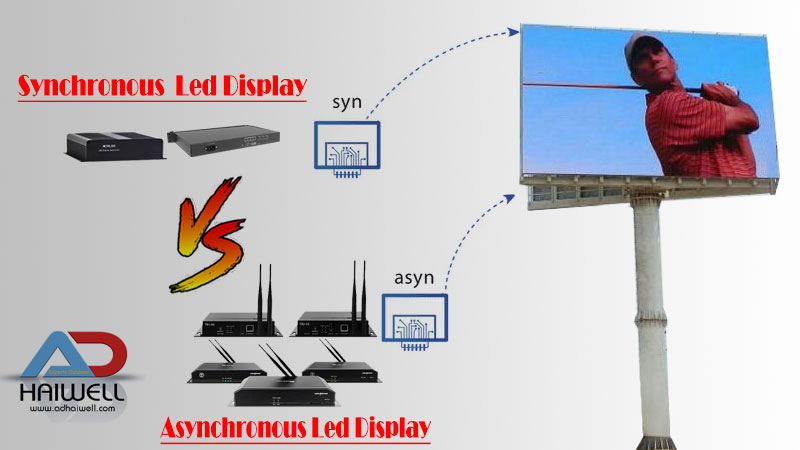
 

Synchronous and Asynchronous Led Display controller 

Control System of LED Display Screen


If not knowing how to choose the correct LED display and control system can often lead to the wrong investment in LED screens. Now, you don't have to worry, because Adhaiwell, we're here to help you eliminate all this confusion and clearly understand the meaning of these two LED display control systems and the differences between them. So, let's continue to discover this LED display control system and their features in more detail below.


LED display control system is the core component of LED display, which is mainly responsible for receiving image and video information from computer serial port or DVI interface, and placing frame memory to display content, which is mainly divided into the synchronous system and asynchronous system. Let's make a comparative analysis of the two control systems.


Synchronous System


These LED screen control systems are used only to display what is displayed on the computer screen. In short, it shows a real-time display of a computer screen, which is connected to a computer screen to display pictures or videos. In addition, because it can be used with a computer, there is no limit to what can be displayed on these screens. Therefore, you can set up a constant video or other content on your computer screen (and continue to do so), while the synchronous LED display will display the same content.


Maybe it sounds great, these screens have their drawbacks. This is because you cannot work on these screens after the computer is turned off. Therefore, if the connected computer does not work properly or shuts down at any time, the screen will not display anything properly.


Now, for understanding well, let's discuss some of the features of synchronous LED displays.


Features of Synchronous LED Displays


 These screens appear in the form of a 4K LED display or an indoor LED TV wall. Both monitors have space for computer graphics operations.

These types of LED displays are widely used as rental displays for various events (such as weddings, parties, concerts, LED displays, etc.).

They are built into large displays suitable for indoor and outdoor use.

You can find a lot of creativity and special designs on these LED screens.


LED display synchronous control system: mainly used for real-time display of video, pictures, text, notices and other information, mainly used for indoor or outdoor full-color LED display screen. The led display screen synchronous control system controls the working mode of the display screen, basically the same as the computer display. It maps the image on the computer monitor in real-time at an update rate of at least 60 frames per second. It usually has the ability to multi-grayscale color display, which can achieve the effect of multimedia advertising.


It is characterized by a real-time, strong expression, complex operation, high price, and the content on the computer monitor is displayed synchronously. Therefore, if the computer is powered off, the LED screen will not be displayed, so playback time will be limited. This system is mainly used in places with high real-time requirements.


Asynchronous System


The Asynchronous LED Display works the opposite of the previous screen. This just means that it does not display the same content as what is being played on the computer screen. In short, you can say that the graphic display of the screen was first edited on the computer. After that, it will be sent to the screen control received cards. Therefore, all the display information is saved on the screen and played directly, so there is no trouble even if the computer stops running or shuts down.


However, this also means that there are no real-time display capabilities or unlimited content options on these screens. Therefore, you must process the content earlier and finally determine what needs to be played on these screens.


LED display asynchronous control system: also known as LED display offline control system or offline card, mainly used to display a variety of text, symbols, and graphics or animation. The picture display information is edited by the computer, and the memory with a framed LED display screen is pre-placed through the serial port of rs232 / 485. Then, display it and play it screen by screen.


Now, let's discuss some features that make this asynchronous LED displays different from previous displays.


Features of Asynchronous LED Displays


It is characterized by simple operation, low price, and a wide range of use. The biggest feature is that the content of the display screen can be controlled according to the area, and the content is out of sync with the computer monitor. After editing on the computer, it is sent to the control card, and then the display control card. Therefore, even if the computer is turned off, the LED display can still be displayed, but the broadcast information will be limited because the storage capacity of the control card is within a certain range, which is suitable for places where real-time requirements are not high.


This is the difference between an LED display synchronous control system and an asynchronous control system. Customers can choose one of them according to their actual situation.


Conclusion


These LED screens have different features, and you can understand the difference between Synchronous LED displays and Asynchronous LED displays. As a result, you can better understand which approach is better suited to your business and media needs.


However, even with these differences, these screens are not superior to other screens in terms of market demand. Because both small and large enterprises rely on the LED Display Screen to better promote their business development. As a result, both LED displays are widely selected for commercial promotion and meet the indoor/outdoor display needs of all types of enterprises and industries.


Table of Content list
Connect with us

Our Workers ready to help you

Corporate Together

Let's light up the future of advertising together

Send Email

adhaiwell@adhaiwell.com

Working Time

Mon - Fri: 9 AM - 6 PM

Sat - Sun: 11 AM - 3 PM

Latest News

29 - 05
DATE
2017
Adhaiwell, a leading advertising display manufacturer in Guangzhou, China, integrates R&D, production & export. Specializes in LED billboards, LCD signage & customized one-stop solutions. As a Made-in-China Gold Member & Canton Fair exhibitor, we deliver premium quality with win-win cooperation for global clients.
Read More
03 - 09
DATE
2025
Discover the Adhaiwell 3D LED Display Showcase. Learn how this naked-eye 3D Digital Product Case technology revolutionizes retail, captures customer attention, and boosts sales with immersive, virtual-meets-real product displays.
Read More
14 - 08
DATE
2024
Discover the future of visual merchandising with Adhaiwell's 3D LED Screen Pedestal Display Case | Acrylic Top Retail Showcase—a revolutionary display solution merging state-of-the-art LED technology with a sleek acrylic cover. Adhaiwell delves into the innovative features that set this pedestal display apart, exploring its impact on customer engagement and its versatile applications across retail, exhibitions, and museums.
Read More
09 - 04
DATE
2025
Adhaiwell's LED Poster Screens offer a revolutionary marketing solution for businesses worldwide.With high-resolution options like P1.86 and P2.5,advanced GOB protection,and features such as mobile remote control and multi-screen setups,these screens provide dynamic and engaging visual experiences.Suitable for retail,events,corporate settings,and more,they are packaged in sturdy flight cases for safe transport and are ideal for both permanent installations and rentals.
Read More
29 - 04
DATE
2026
What is a transparent LED screen display?
A transparent LED screen display is a high‑brightness (up to 4000 nits), ultra‑thin (6 cm) digital display with 70%+ transparency. It installs indoors behind glass curtain walls and is viewed from outdoors – allowing natural light to pass through while playing full‑motion video ads. Ideal for retail windows, auto showrooms, and commercial building facades.
Read More
28 - 11
DATE
2024
Delve into the essential aspects of selecting the most suitable outdoor transparent LED display for your LED business needs. From brightness and pixel density to protection ratings and energy efficiency, we will analyze each key factor to help you make an informed decision. Additionally, we will discuss the importance of after-sales service to ensure your investment yields long-term returns. Whether you're looking for solutions in commercial advertising, public information display, or event broadcasting, this guide will provide comprehensive guidance.
Read More
06 - 05
DATE
2026
What is a transparent LED screen in new retail? A transparent LED screen is a see‑through digital display (70-95% transparency, 6000 nits brightness) that installs on storefront windows or glass curtain walls — delivering full‑motion video ads while preserving natural light and sightlines into the store. It transforms passive windows into dynamic “check‑in points,” driving foot traffic, dwell time (+42%), and conversions (+12-18%).
Read More
21 - 04
DATE
2026
How to identify a high‑quality transparent LED screen display? Check five core indicators: (1) Uniform brightness with no color difference under acrylic‑covered white light; (2) temperature‑stabilized lamp beads (does not overheat after 2+ hours); (3) UL‑certified high‑core‑count wires; (4) driver IC supporting single‑pixel control for grayscale richness; (5) full RGB test pattern with no dead pixels. Also verify transparency ≥70%, 3000–5000 nits brightness for outdoor viewing, and RoHS/CE certifications.
Read More
20 - 04
DATE
2026
How to maintain a transparent LED screen display? Maintain stable power supply, clean dust with a vacuum or microfiber cloth (no harsh chemicals), allow 2+ hours rest daily, avoid all-white/all-red static images, adjust brightness to ambient light, and check for dead pixels monthly. Lifespan can reach 100,000 hours with proper care. If water enters, power off immediately and contact a professional.
Read More
02 - 05
DATE
2026
Where can transparent LED displays be used?
Transparent LED displays are used in retail store windows (dynamic advertising without blocking interior views), glass curtain walls of commercial buildings (multimedia facades), large shopping malls (atrium video walls), chain stores (brand experience), airports (wayfinding + ad revenue), science museums (immersive exhibits), auto dealerships, hotels, banks, and corporate exhibition halls. Indoor installation with outdoor viewing.
Read More
29 - 03
DATE
2026
What is an ultra-thin transparent LED glass curtain wall display?
An ultra-thin transparent LED glass curtain wall display is a see-through digital screen with 70–95% permeability, just 10mm thick and 12kg/m² light. Installed indoors behind glass facades and viewed from outdoors, it preserves natural light and sightlines while displaying full-motion video ads. Unlike traditional LED billboards, it requires no steel frame structure, reduces energy consumption by over 30%, and can be directly fixed to existing glass curtain walls—making it ideal for shopping malls, auto showrooms, hotels, banks, and landmark buildings.
Read More
26 - 01
DATE
2026
How Adhaiwell delivers complete outdoor LED screen advertising billboard solutions for the African market. We show how Adhaiwell supports customers from steel structure drawing design and ocean shipping to on-site installation guidance, system commissioning, and user training. The guide also covers safety standards, installation steps, cost considerations, and FAQs for buyers planning outdoor LED advertising projects in Africa.
Read More
Your Outdoor Advertising Experts

EXPERTS OUTDOOR

Captivating your target audience with our innovative advertising products

Let's keep in touch

Sign up for our email marketing newsletter and regular updates on popular products and special events.

Quick Link

Showcase

Free Design
Adhaiwell Makes Buying Billboard Easy.
Consult Now
Copyright © 2008-2026 HAIWELL (GZ) ADVERTISING INDUSTRIAL CO., LTD All Rights Reserved.                                                                                Sitemap   |    Privacy Notice   |    Terms of Service